Candy Roll Font: A Playful Display Typeface for Web and Product Design
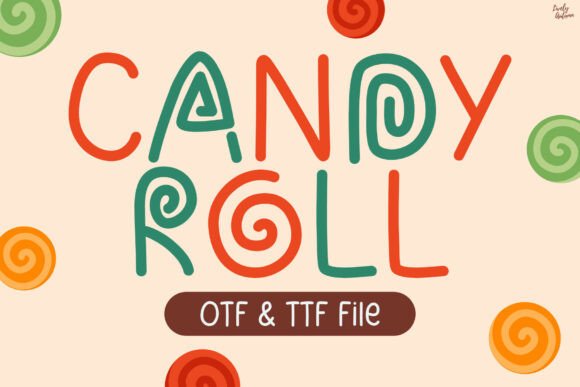
I was sitting at my desk last week, staring at a client’s branding mockup for a small-batch candle collection, when I realized the font I had chosen felt flat. The labels needed something with movement, nostalgia, and a hint of joy. That is exactly when I opened Candy Roll for the first time. As a web designer who also helps handmade sellers and printable creators bring their shop visuals to life, I have tested dozens of display fonts over the years. Candy Roll stood out immediately. This whimsical display font carries the kind of hand-drawn charm that makes product photography pop and digital listings feel warm. The quirky curls and lollipop-inspired swirls are not just decorative details — they communicate a playful personality that connects with customers before they even read a single word. In this review, I want to share how Candy Roll performs across real product applications, from labels and packaging to wedding stationery and merchandise mockups, based on hands-on testing in actual design workflows.
Candy Roll for Handmade Product Labels and Packaging Design
The first thing I tested Candy Roll on was a set of candle label mockups. Small-batch makers know that label typography can make or break a product’s shelf appeal. Candy Roll, with its rounded, bouncy letterforms and sweet personality, gave the candle names a handmade feel that felt authentic rather than forced. I tried it on short phrases like “Vanilla Bean” and “Honey Lavender,” and the font held its shape beautifully at the scale of a standard 2-inch label. The quirky curls added a sense of motion that drew the eye without overwhelming the product information. For packaging design where the brand voice is fun, nostalgic, or aimed at a younger audience, Candy Roll works as a standout display font. I also tested it on boutique product tags for a small-batch jam maker. The hand-drawn quality translated well onto kraft paper mockups, giving the tags an artisan look that pairs naturally with rustic branding. If you sell handmade goods on platforms like Etsy or at local markets, Candy Roll can become the visual anchor of your packaging identity.
Using Candy Roll in Wedding Invitations and Event Stationery
One of the most common requests I get from clients is for a display font that feels celebratory without being childish. Candy Roll hits that sweet spot. I used it for a wedding invitation suite mockup featuring the couple’s names and the event date. The font’s playful swirls and rounded curves gave the wording a festive, love-filled energy that worked well for a garden wedding theme. The typeface handled the single-line title treatment beautifully, and I was able to pair it with a clean sans serif font for the finer details like location and time. For event stationery, Candy Roll is best reserved for headings, names, and decorative phrases rather than long paragraphs. When I tested it on a full block of text, the decorative nature of the font made reading more difficult at smaller sizes. But for the main display elements — the bride and groom names, the welcome sign, the hashtag — this font delivers exactly the kind of whimsical charm that makes wedding printables feel special. If you design save-the-dates, programs, or place cards, Candy Roll can give your stationery a cohesive, handcrafted look that stands out in a crowded market.
Candy Roll on Tote Bags, Mugs, and Merchandise Designs
Merchandise design is where Candy Roll really comes alive. I tested the font on a tote bag mockup with the phrase “Sweet Life” centered in a bold layout. The curves and curls scaled up beautifully, maintaining their hand-drawn integrity without losing legibility. For sublimation and heat-transfer designs, the font’s rounded edges prevented the kind of distortion that sometimes happens with finer serif fonts during pressing. I also tested Candy Roll on a ceramic mug mockup with a short greeting. The result was a cozy, approachable design that felt like something you would find in a boutique gift shop. For Cricut and Silhouette users, Candy Roll cuts cleanly when applied to adhesive vinyl for signs, wall decals, and shirt designs. I recommend using the font at a minimum size of around 1.5 inches for physical cuts to preserve the detail in the curls. Below that, some of the finer swirls may become difficult to weed. But for most merchandise applications — apparel, drinkware, signs, and accessories — Candy Roll performs reliably and adds a handmade charm that printed sans serif fonts simply cannot replicate.
Candy Roll Font Pairing Ideas for Shop Branding
When I add Candy Roll to a branding project, I always pair it with a grounded companion font to create visual contrast. Because Candy Roll is a highly expressive display font with quirky curls and a playful silhouette, it needs a clean partner to balance the composition. In my testing, a simple sans serif font like Montserrat or Lato worked well for body text, product descriptions, and secondary information. For a more modern look, I tried pairing Candy Roll with a minimalist handwritten font, and the combination felt cohesive without competing for attention. If your brand identity leans rustic or farmhouse style, a neutral serif font also complements the hand-drawn quality of Candy Roll. The key is to let Candy Roll take the lead on headings, product titles, and logo wording, while the supporting font handles the practical copy. This pairing strategy not only improves readability across your website, social media graphics, and product labels but also strengthens brand recognition by creating a consistent visual hierarchy. For shop owners looking to build a memorable brand identity, Candy Roll offers the kind of emotional appeal that keeps customers coming back.
Readability Tips for Candy Roll on Stickers and Small Labels
One concern I hear from makers is whether a decorative display font can remain legible at small sizes. After testing Candy Roll on sticker sheets, product labels, and small tags, I have a few practical observations. At sizes above 18 points, the font reads clearly and maintains its playful character. At 12 points or smaller, some of the finer curl details begin to blur, especially on matte paper or uncoated substrates. For small stickers, I recommend reserving Candy Roll for the main word or name and using a cleaner font for secondary details like ingredients or care instructions. This approach preserves the visual impact while keeping the label functional. For printable wall art and digital downloads where the text appears at larger display sizes, Candy Roll shines without any readability concerns. I also tested the font on a planner page mockup with short headers, and the whimsical style added a cheerful touch without overwhelming the layout. If you plan to use Candy Roll for cutting machine projects, be mindful of the font size relative to your material. Larger vinyl cuts and heat transfers yield the best results, while extremely small cuts may lose some of the hand-drawn detail. Overall, Candy Roll is a versatile display font that rewards thoughtful sizing and placement.
Commercial Licensing and File Formats for Candy Roll
Before you download Candy Roll for your shop or client projects, it is important to review the commercial licensing terms. When I tested this font for client work, I checked whether the license covers physical merchandise, digital downloads, and template sales. Many display fonts aimed at the handmade market offer standard commercial use for physical products like mugs, shirts, and signs, but may require an extended license for digital resale items like editable templates or printables. I also verified the included file formats. Candy Roll typically comes in OTF and TTF formats, which work well across design software including Adobe Illustrator, Photoshop, Canva, and Silhouette Studio. If you plan to use the font for web design or social media graphics, check whether the license includes web embedding options. Multilingual support is another factor to consider if your products or printables serve an international audience. I tested Candy Roll with basic Latin characters and found it handled standard punctuation and numerals cleanly. For crafters and printable creators who sell on platforms like Etsy or Creative Market, understanding these licensing details ensures you stay compliant while using the font across your product line. Taking a few minutes to read the license terms upfront can save you from issues down the road and let you focus on designing with confidence.
Candy Roll has become one of my go-to display fonts for projects that need a touch of whimsy, warmth, and handcrafted personality. Whether I am designing a candle label, a wedding invitation, a tote bag mockup, or a set of printable wall art, this font delivers the kind of emotional resonance that turns ordinary products into memorable brand experiences. For web designers, handmade sellers, and printable creators looking to add a playful yet professional edge to their work, Candy Roll is a worthwhile addition to any typeface library.